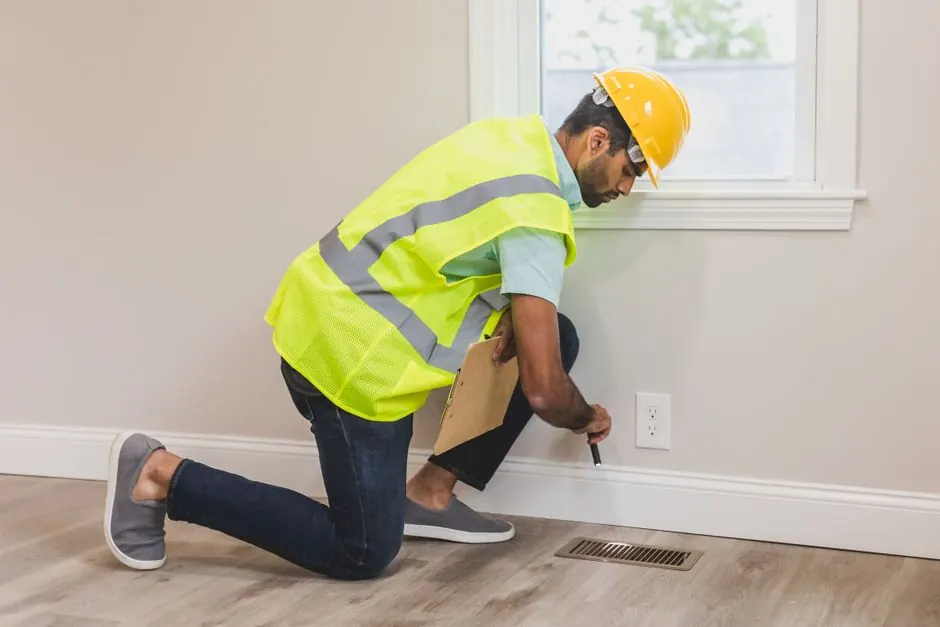
Local Palm Springs slab leak detection providers
Slab Leak Detection and Repair in Palm Springs, CA
Most Palm Springs homes sit on a concrete slab, and in the older ones copper water lines were poured right into that concrete. Decades of hard water and heat cycling thin those lines until a pinhole opens under the floor — felt first as a warm patch on the tile, a jumping water bill, or running water heard at night. Thermal imaging and acoustic listening locate the break before any concrete is discussed.
60–90 min urgent arrivalDetection $180–$450Non-invasive location
What's included
What Our Slab Leak Detection and Repair Service Includes
Our slab leak service covers the full job — meter test, pinpointed location, and repair. Detection and repair are quoted separately, so you can take our marked location to another plumber for the repair if you prefer.
Meter Test
Everything off, watch the dial. A moving meter proves water is leaving the system — the first step on every visit.
Thermal Imaging
An infrared camera maps warm patches across tile and slab, showing where a hot-water leak heats the floor above it.
Acoustic Listening
Sensors listen through the slab for the hiss of escaping water, pinpointing cold-water leaks.
Marked Location & Report
The leak is marked on the floor and documented with thermal images and a written report for your insurer or another plumber.
Service overview
What Is a Slab Leak?
A slab leak is a leak in a water line buried in or under the concrete slab your home sits on. When a line fails, water goes into the concrete and the soil beneath it.
Copper lines poured into concrete in the 1970s and 80s corrode against alkaline concrete while hard water pits them from the inside, and temperature swings stress the bends and fittings where most failures happen. Because so many residents are seasonal, a pinhole can run for months before anyone feels the warm spot. Local providers start at the meter, confirm the leak, then map the lines with a thermal camera and acoustic sensors. If you are out of town, local providers coordinate with your property manager. Typical urgent arrival is 60–90 minutes when available. See our slab leak detection cost guide.
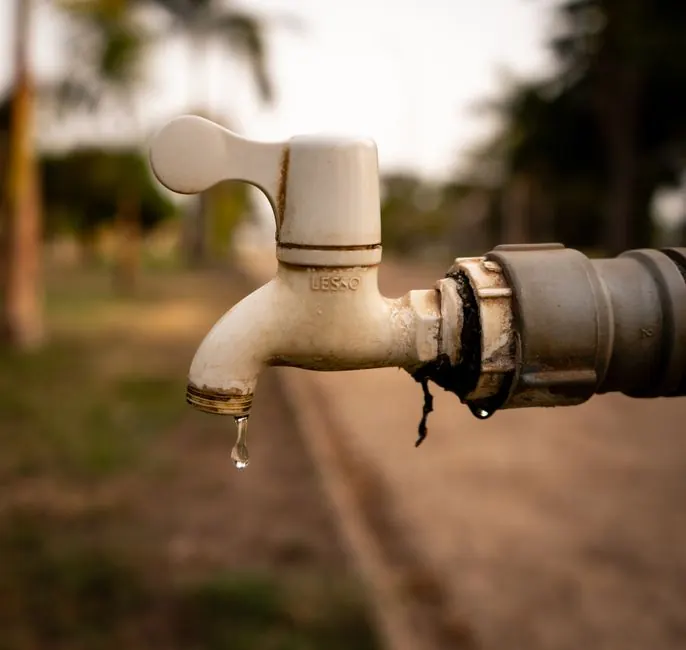
How local providers workDiagnose precisely, show the findings, and give a clear price before any concrete is touched.
The service timeline
How Slab Leak Detection Works
Prove the leak, find it, then talk repair.
Meter Test
At the water box: everything off, watch the dial. A moving meter confirms water is leaving the system.
Thermal Scan
An infrared camera walk-through. Hot-water leaks bloom as warm patches across tile.
Acoustic Pinpointing
Cold lines give no heat signature, so we listen through the slab, then confirm with pressure tests.
Marked Location & Report
The leak is marked on the floor and documented with thermal images and a written report.
Repair Options, Quoted Flat
Spot repair, reroute, or tunneling — each priced flat before work begins.
Tools & methods
Tools and Methods for Slab Leak Detection
Purpose-built equipment, used by trained technicians, so the job is done accurately the first time.
Thermal Imaging Camera
Maps temperature differences across tile and slab to reveal hot-water leaks.
Acoustic Listening Equipment
Listens through concrete for the hiss of escaping water — essential for cold-water leaks.
Pressure Testing Equipment
Isolates individual pipe branches and tests them under pressure to confirm which line is losing water.
Tracer Gas Testing
For the hardest cases, a safe tracer gas is introduced into the line and detected at the surface.
Use cases
When to Call for Slab Leak Detection
These examples show how the service framework adapts rather than forcing every call through one repair.

High Bill After Time Away
A seasonal homeowner returned to a bill far higher than the same months last year, house empty. → A meter test confirmed the leak; acoustic listening found it under the guest bathroom.
Running Water at Night
With everything off, a homeowner could hear faint running water under the floor at night. → Acoustic sensors pinpointed the break, and a spot repair fixed it.
Problems local providers solve
Signs You Need Slab Leak Detection
A small visible symptom can point to a bigger problem under the slab. If you notice any of these, call before the damage spreads.
A warm patch on the tile
Hot-water leaks heat the flooring above them. One warm rectangle among cool tiles is the clearest early warning.
A high bill after time away
A jump against the same months last year, house empty, means water went somewhere while you were gone.
The sound of running water at night
With everything off, a faint hissing under the floor often means pressurized water escaping a buried line.
Cracks or buckling tile
Water under the slab migrates upward — loosening tile, darkening grout, or buckling flooring can all trace back to a leak below.
Damp carpet or a musty smell
Carpet that stays damp in one spot, or a musty smell with no visible water, can mean moisture wicking up through the slab.
Beyond the walls
Water Line Leaks: Yard and Main Line
Not every water leak is inside the house. The main water line from the meter to your home runs underground — and when it leaks, the signs show up in the yard, not on a wall.
Yard and main-line signs. A soggy patch of yard that never dries, a strip of grass that is suddenly greener — or suddenly dead — low water pressure at every tap, and a water bill that jumps with no change in use all point to a main-line leak. In Palm Springs, a wet spot in the yard in the middle of summer is almost never just irrigation.
The meter test. Every water-line visit starts at the meter: all water off in the house, then watch the dial. A moving meter means water is leaving the system past the meter. Then we shut off the house main — if the meter keeps moving, the leak is in the yard line between the meter and the house.
Main-line tracing. Once the leak is confirmed in the yard line, local providers trace the line's path with acoustic listening and line-location equipment, then pinpoint the break so only a small section of yard is opened. Most main-line repairs are a single section replacement, quoted flat before any digging begins.
Ceiling and wall leaks. A stain on a ceiling or a damp wall is usually a different problem — a supply line or drain inside the wall, not the yard main. Local providers trace those separately: see ceiling and wall leak detection.
For local water-line repair detail, see water line leak repair in Palm Springs, Palm Desert, Rancho Mirage, Cathedral City, La Quinta, Indio, Coachella, and Desert Hot Springs. Guides: Soggy Yard? Water Line Leak Signs and Sudden Low Water Pressure in Rancho Mirage.

How local providers workMeter test first — it tells us in minutes whether the leak is inside the house or out in the yard.
Pricing process
Slab Leak Detection and Repair Pricing
$180 - $450 depending on scope
Detection typically costs $180–$450. Repair is quoted flat: spot repair $500–$4,000, reroute $2,000–$4,500, repipe $4,000–$10,000. Confirm your exact price before any work begins. Full breakdown: slab leak detection cost guide.
Spot repair
One small slab opening at the marked leak — usually $500–$4,000.
Reroute
Abandon the failed line and run new pipe overhead — usually $2,000–$4,500.
Tunnel or repipe
Tunneling preserves the original path where rerouting is not practical. A whole-home repipe — usually $4,000–$10,000 — ends repeat leaks.
Do you have to break my tile to find the leak?
No. Detection is non-invasive — thermal imaging, acoustic listening, and pressure testing. We only discuss opening the slab after the leak is pinpointed, and many homeowners choose a reroute that avoids breaking the floor.
What is better for my home — reroute or tunnel?
Reroutes are usually faster and cheaper, and move the line out of the slab so the failure cannot repeat. Tunneling preserves the original path but costs more. Both are priced flat.
How long does the inspection take?
Most homes take one to two hours from meter test to a marked leak location. Typical urgent arrival is 60–90 minutes when available.
Will insurance cover a slab leak?
Many homeowners policies cover the water damage and the cost of accessing the leak, though the pipe repair itself may be excluded. Local providers provide photos and a written report for adjusters. Read our guide: Does Homeowners Insurance Cover Slab Leaks?
Can you inspect while I am away?
Yes — one of our most common requests. With your permission local providers coordinate with your property manager for access, run the full detection, and send you the findings and a flat repair quote by email. You approve the work before anything is scheduled.
How much does slab leak detection cost?
Slab leak detection typically costs $180–$450. Repair is quoted separately and flat: spot repair $500–$4,000, reroute $2,000–$4,500, repipe $4,000–$10,000. Confirm your exact price before any work begins.
Related services
Related Services
Thermal Imaging Leak Detection
Infrared cameras map warm patches across tile and slab to reveal hot-water leaks before any concrete is touched.
Pipe Leak Repair
Pipe leak repair covers the fix itself — spot repairs, reroutes, and repiping once a leak is located.Water Leak Detection
General water leak detection for hidden leaks in walls, ceilings, and yard water lines across the Coachella Valley.Ready when you are
Get Slab Leak Detection and Repair in Palm Springs Today!
Do not let a hidden leak run through another season. Call (760) 254-9953 — 24/7 slab leak detection, located and priced before any concrete is touched.
Service areas
Where We Offer Slab Leak Detection and Repair
Local providers bring slab leak detection and repair across the Coachella Valley. Choose your city, or see slab leak detection cost in the Coachella Valley.
Slab leak guides
Slab Leak Guides for Palm Springs Homeowners
Straight answers to the questions Palm Springs homeowners ask us most.
7 Signs of a Slab Leak in Palm SpringsWarm tile, high bills, and sounds under the floor.
Slab Leak Repair Cost in the Coachella ValleyWhat detection and repair typically cost.
Slab Leak Repair: Reroute vs. Spot RepairWhich fix fits your home.
Does Homeowners Insurance Cover Slab Leaks?What California policies usually cover.
Helpful guides
Slab leak guides
Talk with a local provider
Request Slab Leak Detection and Repair
We're here to help with all your leak detection needs. Call or send a request any time and we'll connect you with a local provider.