How Plumbers Find Slab Leaks Without Breaking Floors
The number one fear homeowners have about slab leaks is not the leak — it is the jackhammer. Nobody wants their travertine or tile torn up on a…
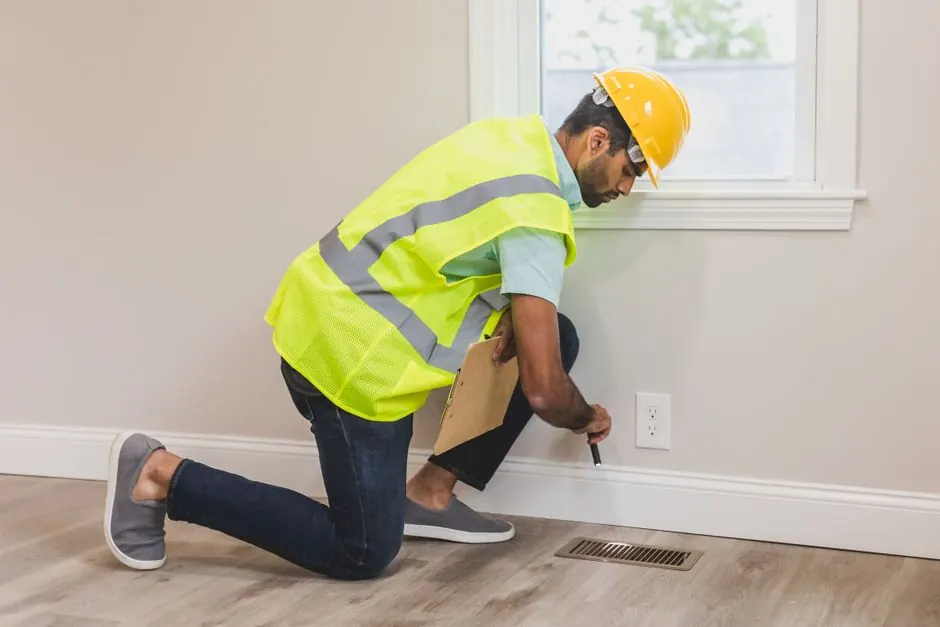
The number one fear homeowners have about slab leaks is not the leak — it is the jackhammer. Nobody wants their travertine or tile torn up on a guess. Good news: modern slab leak detection rarely involves breaking anything during the diagnostic. Here is how plumbers actually find leaks under concrete without demolishing your floors first.
Step 1: Pressure Isolation Narrows the Search
It starts with narrowing the field, not with a hammer. The technician shuts off fixtures and uses pressure gauges to isolate sections of your plumbing — hot water lines, cold water lines, individual runs. A line that will not hold pressure is the leaking one. This step alone often cuts the search area from the whole house to a single pipe run.
This matters more than people realize. A home has multiple under-slab lines, and symptoms like a warm floor spot only tell you the general area. Pressure isolation tells the tech which line to listen to. Skipping this step is how you get the old-school approach: open the floor where it is warm and hope. The modern approach knows which pipe is guilty before anyone picks up a tool.
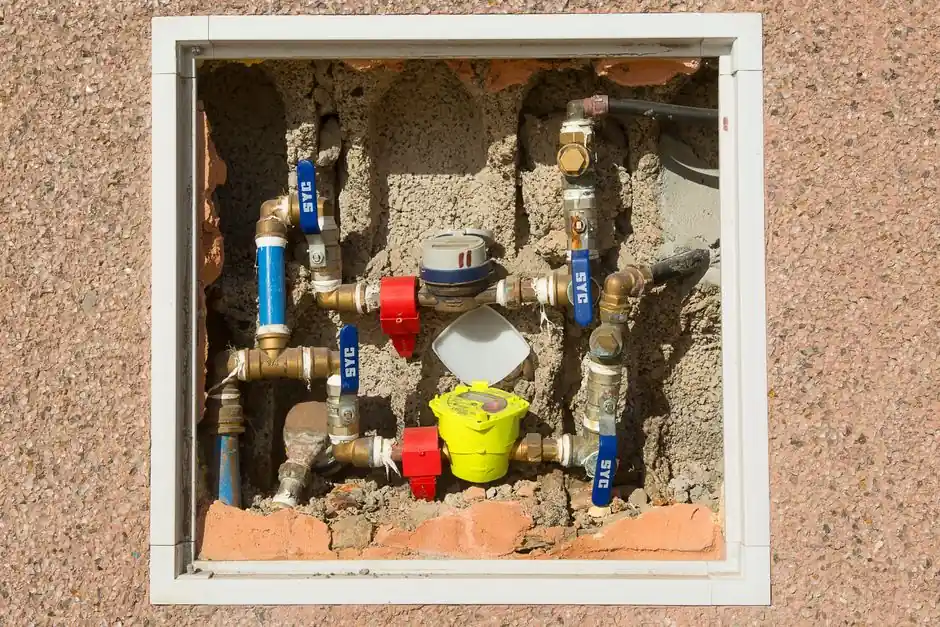
Step 2: Acoustic Listening Hears the Leak
Once the leaking line is identified, out comes the acoustic equipment. Pressurized water escaping through a crack makes a distinct hissing or whooshing sound — and sensitive ground microphones pick it up through concrete, tile, and soil. The technician sweeps the floor systematically, and the sound peaks directly over the leak.
It takes a trained ear. Normal plumbing sounds, AC vibration, and even traffic can muddy the signal, which is why this is a skill, not just equipment. But in experienced hands, acoustic listening locates a slab leak within inches. For cold water lines especially — where thermal imaging is less useful — acoustic is the primary tool. No holes. No dust. Just listening.
Step 3: Thermal Imaging Maps Hot Lines
For hot water lines, thermal imaging is the star. A leaking hot line warms the concrete and flooring above it, and an infrared camera renders that warmth as a bright trail on screen — literally drawing the pipe's path under your floor. The leak itself often shows as an intense hotspot where the most hot water is escaping.
Thermal also maps the damage. Water spreading under the slab cools surrounding material as it migrates, so the scan shows the full extent of moisture — information that shapes the repair plan and, if insurance is involved, documents the damage zone. Cold lines do not glow the same way, which is why thermal is paired with acoustic rather than used alone. Together they cover both.
Step 4: Tracer Gas for the Tricky Ones
Sometimes the leak needs one more confirmation, and that is where tracer gas comes in. The line is drained and filled with a safe mixture of nitrogen and hydrogen. Hydrogen molecules are tiny — they escape through the crack and rise through the concrete, where a sensitive sniffer detects them at the surface.
Tracer gas is the tiebreaker for difficult cases: leaks too small to hear clearly, lines buried unusually deep, or situations where two methods disagree. It is also useful for confirming a repair afterward — no gas escaping means the fix held. Not every detection company carries tracer gas equipment, so if your case is tricky, ask whether it is available.
What You Get: A Report, Not a Hole in Your Floor
Here is what the process does not include: exploratory demolition. A professional detection ends with a written report — leak location marked on a diagram or with tape on your floor, the line identified, photos of thermal scans or meter readings, and a description of what the repair will require.
That report is your protection. It is what lets you get apples-to-apples repair quotes. It is what you hand your insurance adjuster. And it is what keeps the repair opening small — the plumber opens the floor where the report says, not where they guess. If anyone proposes breaking concrete before locating the leak with instruments, that is your cue to call someone else.
Why Experience Matters More Than Equipment
Here is an uncomfortable truth about leak detection: the equipment is only as good as the person holding it. A $5,000 acoustic listening device in untrained hands produces expensive guesses. Thermal cameras show patterns that take hundreds of scans to read correctly — a cold spot from a missing insulation batt looks a lot like a cold spot from moisture until you have seen both many times.
When you hire for detection, ask how the technician was trained and how many slab leaks they locate in a typical month. Ask what happens when the first method is inconclusive — a good tech has a second and third approach, not just a louder guess. And be wary of the plumber who does 'free detection' as a loss leader for the repair: the incentive structure rewards finding a big repair, not an accurate location. Independent, instrument-based detection with a written report is worth paying for.
Detection vs. Repair — and What It Costs
One more piece of advice that saves homeowners money: treat detection and repair as two separate decisions. Get the leak located and documented first — by a detection specialist with the right instruments. Then get repair quotes from plumbers, all working from the same report.
This does two things. First, it keeps everyone honest: every repair bid addresses the same confirmed leak, so you can compare apples to apples. Second, it prevents the most expensive mistake in slab leak work — a repair crew that 'detects' by opening floors until they find water, billing you for exploratory demolition. The detection report is a few hundred dollars. Exploratory demolition is thousands. Always locate first, repair second, and never let the same company skip straight to the jackhammer.
Professional slab leak detection in the Coachella Valley typically runs $180–$450 depending on the home's size and how difficult the leak is to isolate — covering the full instrument workup and the written report. Think of it as the cheapest part of the project: a $350 detection that narrows the repair to a two-foot opening saves thousands compared to exploratory demolition across a room. And when the report goes to your insurance adjuster or helps you choose between a spot repair and a reroute, it pays for itself several times over. The most expensive detection is the one you skip.

Related reading
Need help now? Call (760) 254-9953 — 24/7 call line across the Coachella Valley.
Frequently Asked Questions
Do plumbers have to break my floors to find a slab leak?
In most cases, no. Acoustic listening, thermal imaging, and pressure testing all work through intact floors. Demolition only happens after the leak is located, and only at the repair point — a good detection report keeps that opening as small as possible.
How long does slab leak detection take?
Usually two to four hours for a typical single-story home. Larger homes or leaks that are difficult to isolate can take longer, but you will know the leak's location the same day in the vast majority of cases.
Is thermal imaging alone enough to find a slab leak?
Thermal imaging is excellent for hot water line leaks and for mapping moisture spread, but it is one tool in the kit. It gets combined with acoustic listening and pressure isolation — no single method is definitive on its own, and a tech who relies on only one is cutting corners.
Should I get the detection report in writing?
Yes, particularly in our market. A written report with the leak location, the line involved, and photos is standard from a professional detection company. If a plumber wants to start breaking concrete without one, get a second opinion.
Get Help in the Coachella Valley
Worried about jackhammers tearing through your tile? Modern slab leak detection usually means no demolition at all during the diagnostic — just precise location, documented in writing. Call Palm Springs Leak Pros at (760) 254-9953 — available 24/7 across Palm Springs, Palm Desert, Rancho Mirage, La Quinta, Indio, and the Coachella Valley.