Pool Losing Water Only When Pump Runs? Here's Why
You did the bucket test. Evaporation is ruled out. But here is the strange part: the water level only drops when the pump is running. Turn the pump…
You did the bucket test. Evaporation is ruled out. But here is the strange part: the water level only drops when the pump is running. Turn the pump off overnight, and the level holds. That pattern is actually a valuable clue — it tells you exactly what kind of leak you have and where to look. Here is what pump-only water loss means.
What Pump-Only Water Loss Tells You
Your pool's plumbing has two sides. The suction side pulls water from the pool to the pump — skimmer lines, main drain line, and the pump intake. The pressure side pushes filtered water back — return lines, cleaner lines, and water features. The key difference: the suction side only has water moving through it when the pump runs.
So when the level drops during pump hours and holds when the pump is off, the leak is almost certainly on the suction side. Air or water is being drawn in through a crack or failed seal that only opens under suction. This is genuinely useful information — it eliminates half the plumbing from the search before a technician even arrives. Tell your leak detection company about the pattern; it shapes the entire diagnostic.
The Usual Suspects (Check These First)
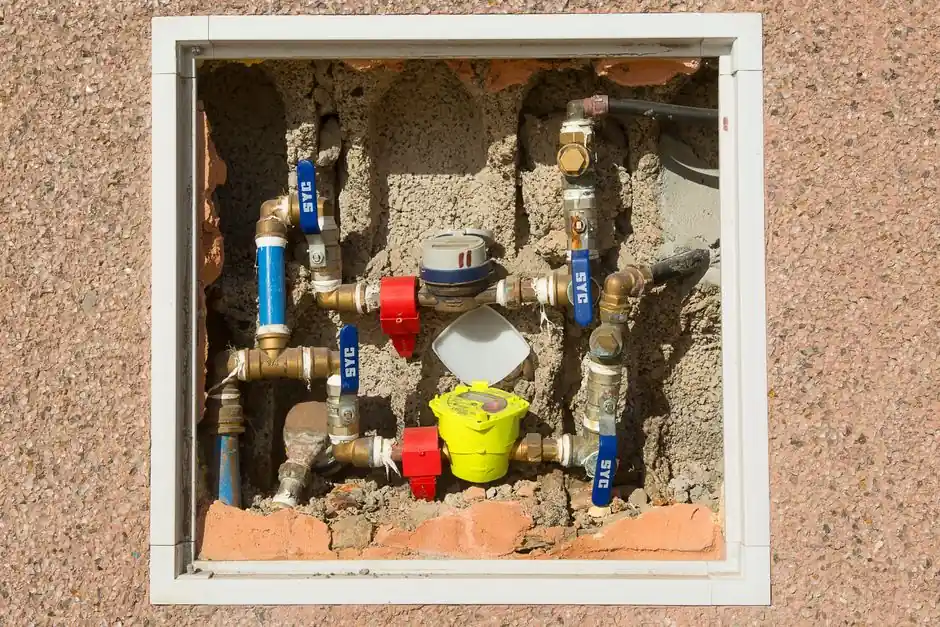
Start with the easy stuff at the equipment pad. Run the pump and watch the pump basket lid — a cracked lid or flattened O-ring lets air in under suction and is a five-minute, twenty-dollar fix. Check the pump seal for drips. Look at every valve on the suction side; a valve that weeps only when the pump runs is a classic.
Then check the skimmer. The skimmer throat — where the skimmer meets the pool wall — flexes slightly with temperature changes, and in our desert heat that movement eventually cracks the seal. Dye testing around the throat while the pump runs will show dye getting pulled into a crack. Skimmer leaks are the single most common suction-side failure, and they are among the cheapest to repair. If the equipment pad is dry and the skimmer tests clean, the leak is underground — and that is a job for instruments, not eyes.
When the Leak Is Underground
An underground suction leak needs pressure testing. Each line — skimmer, main drain — gets isolated, pressurized, and monitored. The line that will not hold pressure is the failed one. From there, acoustic listening can narrow the break's location along the pipe run.
Underground suction leaks often come from the same culprits as any buried plumbing in the valley: ground shifting in our expansive desert soil, roots seeking water, or original construction joints giving out after decades. One Rancho Mirage homeowner chased pump-only water loss for a summer, adding water weekly, before pressure testing found a separated joint in the skimmer line six feet from the pool. One repair, problem solved — after months of water bills and chemical rebalancing.
Why Suction Leaks Cost More Than Water
Do not ignore a suction-side leak just because the water loss seems manageable. Air entering the system makes the pump work harder and can cause cavitation — tiny vapor bubbles that pit the impeller and shorten pump life. A $3,000 variable-speed pump is an expensive casualty of a $400 pipe repair.
There is also the chemistry angle. Constantly topping off the pool dilutes your chemicals, so you are forever chasing balance — more chlorine, more acid, more stabilizer. Over a Palm Desert summer, that chemical churn costs real money. And every gallon you add is heated, treated water going straight into the ground. The leak is not just a water bill line item; it is a whole-system tax.
Your Next Step: Pressure Test the Suction Lines
You have already done the hardest diagnostic work by noticing the pattern. Here is the sequence from here: confirm the equipment pad is dry and the skimmer throat is intact (or let a tech do it in ten minutes), then schedule pressure testing of the suction lines. The test identifies the failed line definitively — no guessing, no exploratory digging.
Repairs range from a $200 skimmer reseal to $1,000-plus for an underground line repair under decking. Either way, the detection visit that finds it precisely is what keeps the repair bill from ballooning. You ruled out evaporation. You identified the pattern. One professional visit finishes the job.
Main Drain Leaks: The Other Suction-Side Culprit
Do not forget the main drain. It is on the suction side too, and a leaking main drain only loses water when the pump runs — same pattern as a skimmer leak, but harder to find. Main drain leaks usually come from a cracked sump, a failed hydrostatic relief valve, or a separated pipe joint below the drain cover.
Testing it takes a diver or a specialized plug: the drain gets sealed off and the line pressure tested independently. If your skimmer and equipment pad check out clean but the pump-only loss continues, the main drain is the next place to look. It is less common than skimmer failures, but when it is the culprit, nothing else you fix will stop the water loss.
The Cost of Waiting Through Summer
A pump-only leak in April becomes an expensive habit by August. Every week of a Palm Desert summer, that leak is draining heated, chemically treated water while the pump runs its long daily cycles — and you are replacing it with fresh fill water that throws your chemistry off all over again. Salt system owners feel it worst: constant dilution means the chlorinator cannot maintain levels, so you supplement with liquid chlorine all summer.
Put a number on it. Even a modest suction leak losing half an inch a day during pump hours wastes over 1,000 gallons a month in a typical pool. Add the chemical churn and the extra pump strain, and a leak you 'will get to after summer' easily costs more in four months than the pressure test and repair would have. The pattern told you where to look. Do not let the season talk you out of acting on it.

Related reading
Need help now? Call (760) 254-9953 — 24/7 call line across the Coachella Valley.
Frequently Asked Questions
Why does my pool only lose water when the pump is running?
A leak on the pressure side (after the pump) typically loses water whether the pump runs or not, since those lines stay full. A leak on the suction side (before the pump) only draws water when the pump is running and creating suction — so the level drops during pump hours and holds steady when it is off.
What should I check first for a pump-only pool leak?
Start with the pump basket lid, the pump seal, and the valves on the equipment pad — run the pump and look for drips. Check the skimmer throat for cracks. If the equipment pad is dry and the skimmer looks fine, the leak is likely underground and needs pressure testing.
I already did the bucket test — is pressure testing still necessary?
It is the logical next diagnostic step, and it is a different test than the bucket test. The bucket test answers 'leak or evaporation?' The pressure test answers 'which line?' — it isolates each plumbing run and finds the one that will not hold pressure.
Can a suction-side leak damage my pool pump?
It can, slightly — air drawn into a suction leak reduces pump efficiency and can cause cavitation that damages the pump over time. A suction-side leak is not just a water bill problem; it is an equipment longevity problem.
Get Help in the Coachella Valley
Already ruled out evaporation but the water keeps dropping? The next step is pressure testing your pool's plumbing — it identifies the failing line in a single visit. Call Palm Springs Leak Pros at (760) 254-9953 — available 24/7 across Palm Desert, Rancho Mirage, Indian Wells, La Quinta, Palm Springs, and the Coachella Valley.